Buccleuch Cabot
|
Gender: Male Color: UNKN Whelp Date: 0/0/ Date of Death: 0/0/0 Website: dai.mun.ca/PDFs/cns/TheLabradorDogItsHomeAndHistory.pdf |
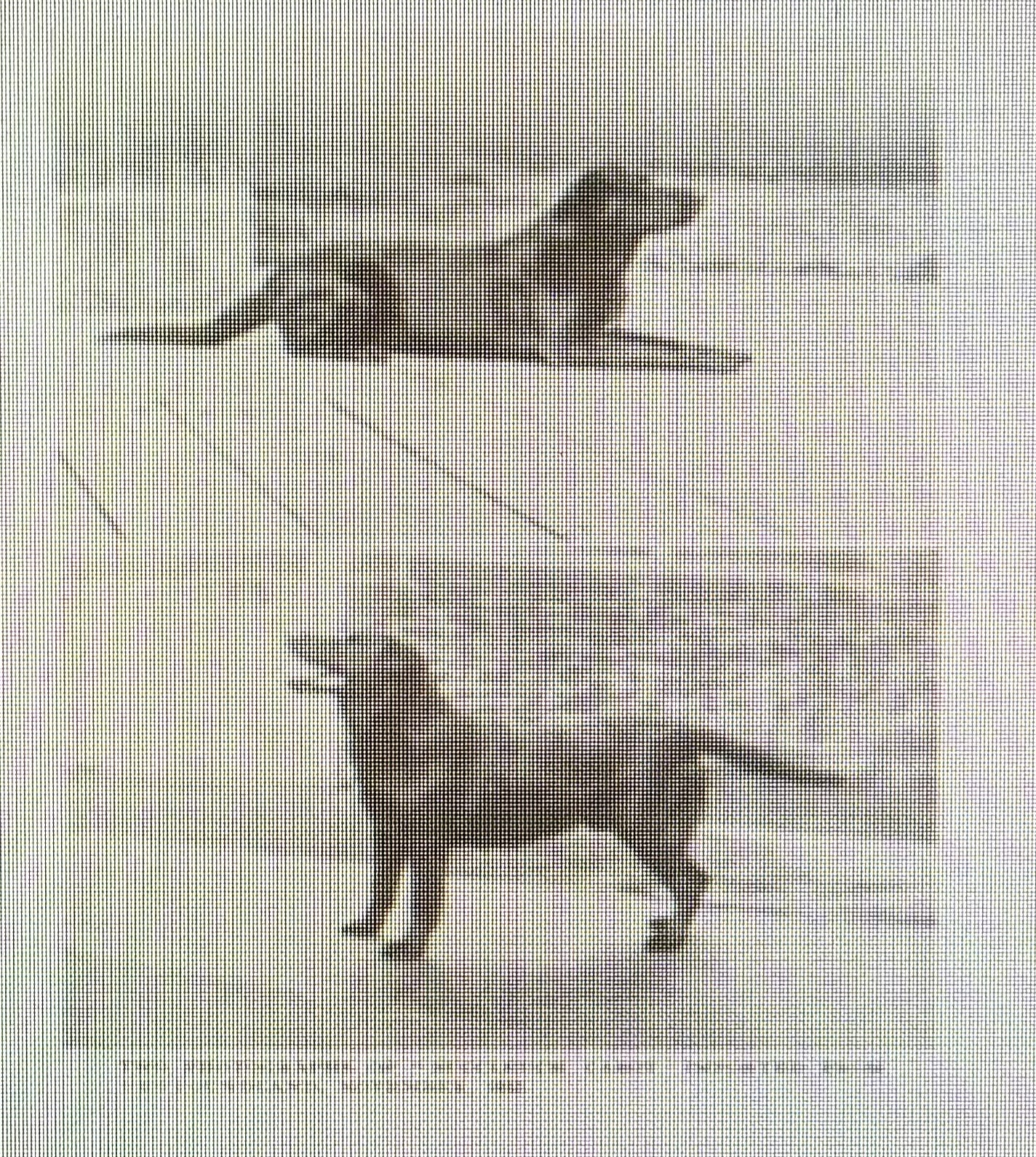
Other Qualifications or Notes: Imported from Newfoundland It must be remembered that the local Sheep Protection Act was passed in 1885, some years before the above-mentioned friend went to Newfoundland; but possibly it took years before the effects of the Act permeated the coast of the island. In addition to the obstacles mentioned above, an Act was passed in England, 1895, by which hydrophobia was stamped out of the British Isles, and since it was passed no dog can be imported without license ; and when this has been granted every dog must undergo a period of six months' strict quarantine on veterinary premises approved by the Minister of Agriculture. This has been a blow to the import into Great Britain of dogs from Newfoundland. A man who knows Newfoundland well, when discussing the way in which dogs ceased to be imported, considers that neither the Newfoundland Sheep Act of 1885 nor the Quarantine Act of 1895 had much to do with stopping the importation of dogs from Newfoundland, although the former seriously curtailed the number of dogs in that island. The dogs used to be brought home in small trading vessels, and Poole itself had as many as one hundred of these small craft going annually to Newfoundland, taking out supplies for the Poole firms trading in the island and bringing back fish, but this trade had almost completely died out in 1850. Doubtless there were a few small vessels left in the trade between 1850 and 1875. In spite of these obstacles some breeders of Labradors have made efforts at various times to import black water-dogs without success, until between November 1932 and November 1933, some dogs were obtained. Several closely resembled the type sought for in size, colour of eye, shape and texture of coat, and were water-dogs. One of these dogs called " Cabot ", is good-looking, and is already the father of several litters, and these young dogs at present have every desirable quality both as retrievers and in appearance : one imported bitch, " Fanny ", had three whelps, 1934, which show great promise. It is not improbable that some of the descendants of the dogs recently imported from Newfoundland occasionally may show spots of white on chest and perhaps toes : vide the photograph of Lord Home's "Nell" (about 1856) p. 120. Hitherto they have been quite black and good- looking according to the standard of the breed now called '' Labrador ''. It has been amply proved that the descendants of "Cabot ", imported 1932, are first-class water-dogs with tender mouths and good noses. They are also uncommonly keen and intelligent. As in the case of dogs previously imported from Newfoundland, there is no actual record of their ancestors. It is hoped that the Chapters by Sir John Middleton, which give more information on this subject than has hitherto appeared, will prove to be interesting to those desirous of knowing how the breed of so-called Labradors has been evolved. Comparatively little is known of the system by which the fishermen actually bred their water-dogs. We do know, however, that these practically lived in the water, were used for retrieving fish and wild-fowl as well as for hauling timber. The conditions under which they lived have always been hard, owing to the severity of the climate and local conditions. The dogs are fed chiefly on salted cod. Certainly the descendants of " Cabot " became fat on what would be a starvation diet for most dogs, and they appear to be really stout. https://dai.mun.ca/PDFs/cns/TheLabradorDogItsHomeAndHistory.pdf |
Pedigree:
| Buccleuch Cabot | unknown |
|
||||||||
| unknown |
|
Provided to you by Hunting Lab Pedigree